


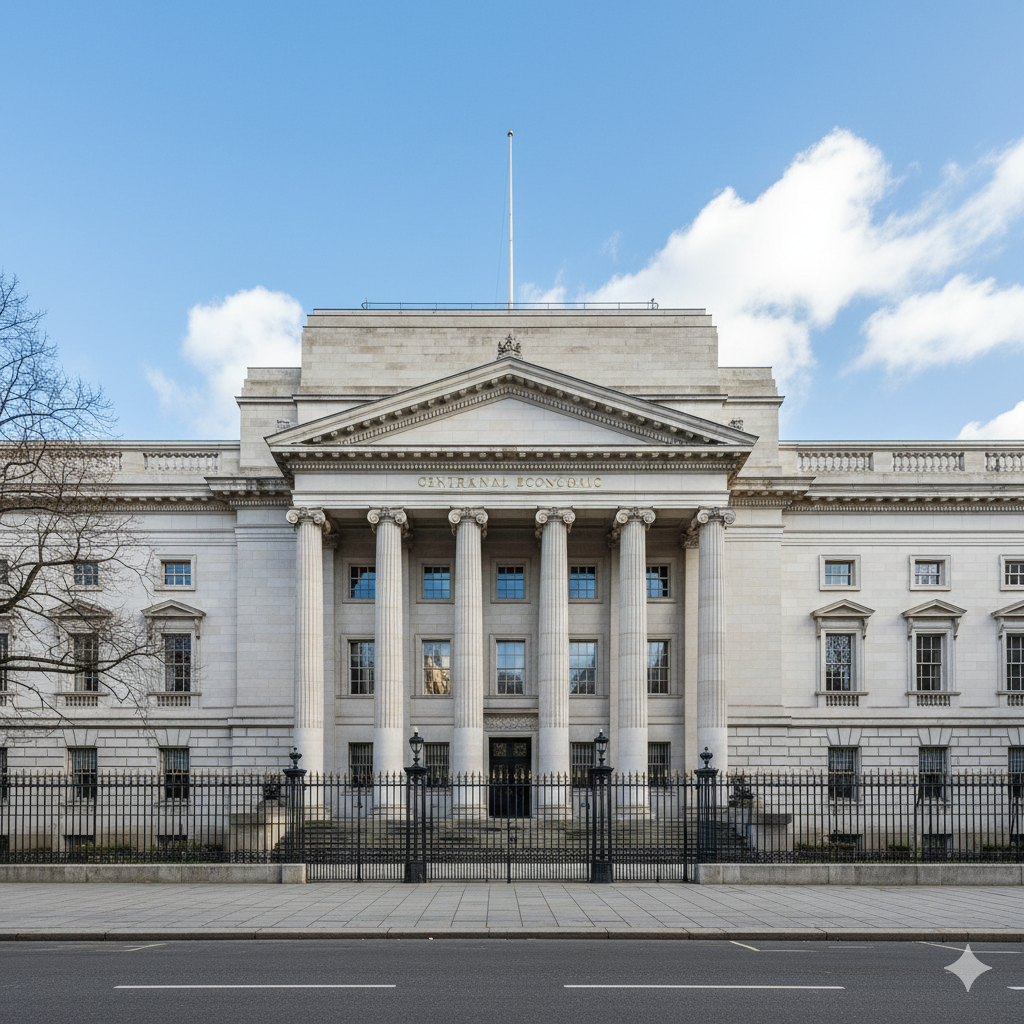
The consensus for 2026 remains cautiously optimistic, with most institutional forecasts pointing toward a steady global growth rate of approximately 3.1% to 3.3%. A closer analysis, however, suggests that this headline figure is misleading. What is unfolding is not a broad-based recovery, but a fragmented expansion driven by aggressive state intervention and rising fiscal debt. The soft landing markets celebrated in late 2025 increasingly resembles a prolonged plateau that conceals deeper structural deterioration in international cooperation.
Three major friction points suggest that the current equilibrium is far more fragile than it appears.
1. Subsidies, Trade Barriers, and Industrial Overcapacity
The rapid expansion of carbon-border mechanisms, while presented as climate policy, has become a tool of economic nationalism. The global system is moving away from rules-based arbitration toward a model where governments actively shape markets through industrial subsidies. This creates artificial demand that depends on permanent state support and accelerates overcapacity, particularly in Chinese manufacturing. When that excess supply collides with Western trade barriers, the outcome is not market balance but localized price shocks and rising input costs across green supply chains.
2. The Politicization of Capital
Capital allocation is no longer driven solely by risk and return. In 2026, sovereign artificial intelligence initiatives and strategic mineral controls have emerged as dominant investment filters. Technology assets are increasingly treated as national infrastructure, fragmenting the global tech stack along geopolitical lines. For investors, geography now outweighs product-market fit. Firms operating outside favored trade blocs face capital immobility, introducing political risk that traditional valuation models continue to underestimate.
3. The Debt–Growth Disconnect
Positive headline growth increasingly masks unsustainable debt dynamics. Several G7 economies and many emerging markets now devote a double-digit share of government revenue to interest payments. Apparent resilience is being financed through persistent fiscal deficits. The central question for 2026 is not whether growth continues, but what follows once fiscal buffers are depleted. The IMF’s January guidance urging governments to restore fiscal discipline reflects this risk, yet political incentives for austerity remain virtually nonexistent amid ongoing geopolitical tension.
Where the Consensus May Fail
Markets continue to assume that investment in artificial intelligence will provide a permanent economic floor. That assumption is risky. While AI has boosted productivity in select high-value sectors, it has not resolved labor stagnation in Europe or structural housing shortages in major cities. Should the AI capital expenditure cycle show diminishing returns in the second half of the year, the primary engine of optimism could stall.
At the same time, the escalating tariff confrontation between Brussels and Beijing is approaching a critical threshold. Unlike earlier trade disputes, this conflict directly affects the technologies required for the energy transition. By raising the cost of decarbonization, Western governments risk undermining their own modernization goals in the name of industrial protection.
Conclusion
The global economy in 2026 is defined by divergence. Surface-level indicators suggest stability, but underlying alliances are weakening and the cost of sustaining growth is rising. For strategic observers, the priority is no longer identifying growth opportunities but anticipating where fragmentation will exert the greatest strain. The system is entering a phase of persistent uncertainty, where resilience will favor those preparing for disruption rather than relying on consensus forecasts.