

The United States has increased diplomatic pressure across Latin America over China’s role in ports, telecommunications and security ties, relying on direct warnings and expanded engagement rather than public confrontation. US officials say the goal is to prevent arrangements that could affect security in the Western Hemisphere. Senior officials have raised these concerns in meetings with governments in Central America and South America in recent weeks, focusing on infrastructure projects with potential security implications. They say they are not asking countries to sever economic ties with China.
A senior official at the United States Department of State said Washington was concentrating on contract terms and operational control. The official said some projects created long-term dependencies that governments did not fully assess at the outset. The official spoke on the record.
The concerns centre on ports, energy grids, logistics hubs and digital networks, sectors in which Chinese companies have expanded rapidly. Many of the firms receive state backing or concessional financing. US officials say that matters when assets sit near military routes or handle sensitive data.
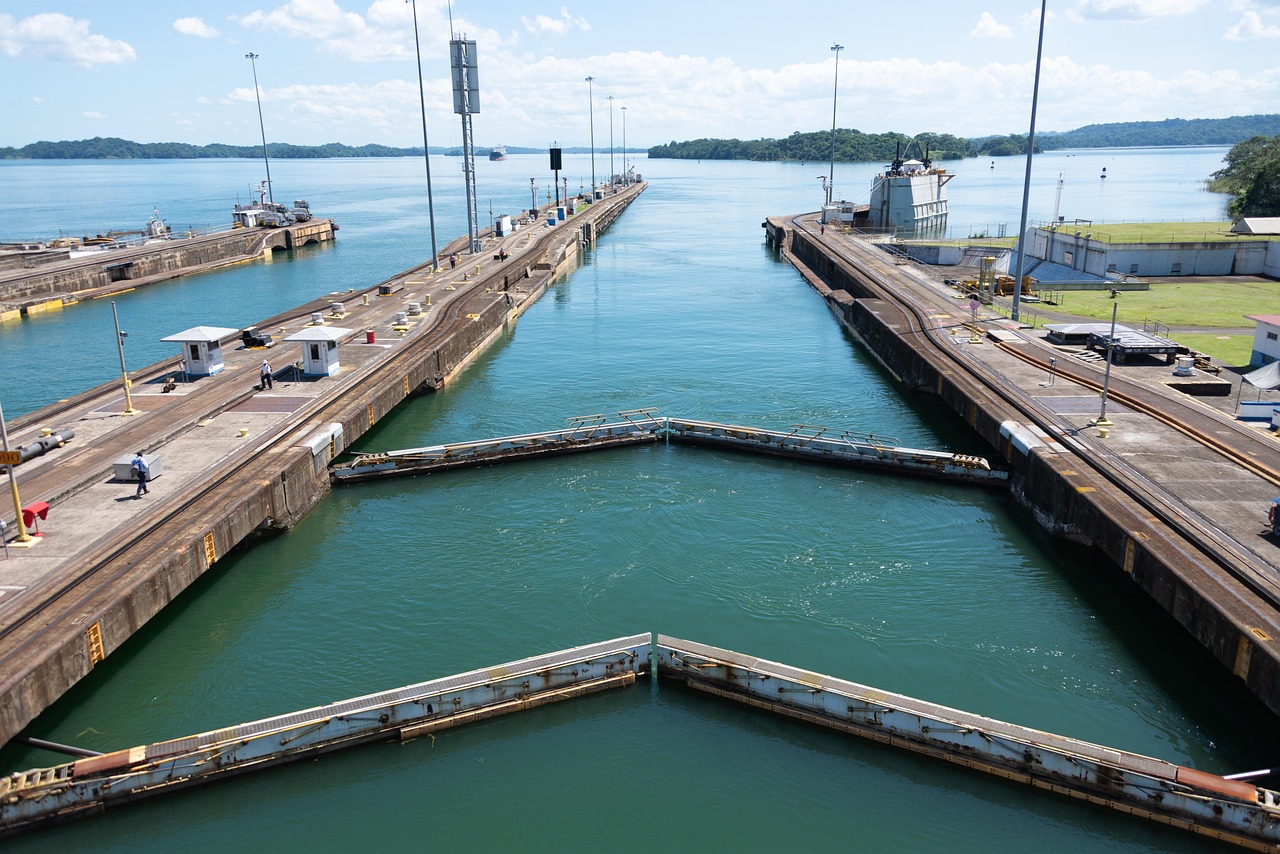
The Panama Canal remains a priority in US discussions. The canal handles a large share of global shipping and is used by US naval vessels. While the canal itself is controlled by Panama, Chinese-linked companies operate ports at both entrances. US officials say they are focused on access rights and operational practices at those facilities. Panamanian officials say port operations comply with national law and that the canal authority remains independent. US officials say they continue to discuss security co-operation with Panama.
In Colombia, US officials have urged closer review of bids for telecommunications and transport projects. Colombia is a key US security partner and hosts regular joint military exercises. A Colombian government official said project decisions would follow domestic regulations and procurement rules.
Brazil presents a different case. China is Brazil’s largest trading partner and a major investor in energy and mining, with Chinese companies also playing a role in power transmission. Brazilian officials say economic ties with China do not affect defence policy. US officials say they are monitoring infrastructure investments with regional implications.
Argentina has accepted Chinese financing for rail, energy and technology projects. US officials have raised questions about facilities with possible dual-use functions. Argentine officials say the projects are civilian and subject to national oversight.
The military dimension has drawn particular scrutiny. The People’s Liberation Army has expanded defence contacts in the region, including training programmes, equipment sales and naval port calls. US officials say such activity is not unusual but draw a line at permanent access or basing rights. A senior Pentagon official said last week that the United States would oppose any move that altered existing security arrangements in the hemisphere and reaffirmed Washington’s commitment to long-standing defence partnerships.
Washington has taken a firmer stance with governments under US sanctions. In Venezuela, Chinese financial and technical support has helped sustain the government amid restrictions on oil exports and access to capital. US officials say China’s involvement limits the impact of sanctions. In Nicaragua, Chinese investment and diplomatic backing have increased since Managua cut ties with Taiwan. US officials say they have raised concerns about infrastructure and security co-operation with the Nicaraguan government.
Latin American governments have pushed back against suggestions that they face alignment choices. Officials in several countries say they seek diversified economic relationships and point to Chinese demand for commodities and access to finance. They also note that US investment has not matched Chinese levels in recent years.
Some officials say US engagement has become more specific. A Central American foreign minister said US officials now focus on project standards and risk assessments, without demanding that Chinese companies be blocked. US officials say the approach reflects lessons from earlier efforts, when public pressure often produced resistance, and that quiet diplomacy and technical engagement yield better results.
The strategy also depends on alternatives. US officials say they are working with development banks and private investors to offer financing options and give governments more choice when bidding large projects. No formal policy changes have been announced. Officials say the effort will continue through bilateral talks and regional forums, with a focus on infrastructure with security implications and on preventing permanent military access for external powers.