

Close Menu
Briefory
    What's Hot

    The Sovereignty of the Self in an Age of Algorithmic Governance

    13.02.2026

    The Chronos Strategy and the Death of the Always-On Executive Culture

    13.02.2026

    Direct Indexing and the Democratization of Tax-Loss Harvesting for High-Net-Worth Portfolios

    13.02.2026
    Facebook X (Twitter) Instagram
    Trending
    • The Sovereignty of the Self in an Age of Algorithmic Governance
    • The Chronos Strategy and the Death of the Always-On Executive Culture
    • Direct Indexing and the Democratization of Tax-Loss Harvesting for High-Net-Worth Portfolios
    • The Fragmentation Gamble and the Rise of Issue-Based Partnerships in the Global South
    • The Polycentric Shift and Why American Transactionalism is Redefining Global Power Dynamics in 2026
    • The Neuro-Symbolic Pivot and Why Pure Neural Networks are Reaching a Reasoning Ceiling
    • Trans-Arctic Cable Initiative Gains Momentum Amid Strategic Rivalry
    • Beyond Silicon and the Commercial Viability of Diamond-Based Power Electronics
    Facebook X (Twitter) Instagram
    BrieforyBriefory
    Sunday, April 19
    • World
      • Americas
      • Europe
      • Asia-Pacific
      • Africa
      • Middle East
    • Economy & Business
      • Global Economy
      • Real Estate
      • Startups
    • Finance & Markets
      • Stock Market
      • Crypto & Web3
      • Commodities
      • Forex
    • Health & Biohacking
      • Longevity
      • Mental Wellness
      • Medical Breakthroughs
    • Lifestyle & Luxury
      • High-End Travel
      • Sustainable Living
      • Work-Life Balance
    • Personal Finance
      • Global Tax & Equity
      • Retirement Planning
      • Wealth Management
    • Perspectives
      • Expert Briefings
      • Future Trends
      • Global Opinions
    • Tech & AI
      • Artificial Intelligence
      • Cyber Security
      • Future Tech
    • The Brief
      • Daily Briefings
      • Tech Radar
      • Deep Dives
    Briefory
    Container ships passing through a major Latin American port used for global trade

    US presses Latin American governments to scrutinise Chinese infrastructure deals

    0
    By Newsroom on 19.01.2026 Americas, World
    Share
    Facebook Twitter LinkedIn Copy Link

    The United States has increased diplomatic pressure across Latin America over China’s role in ports, telecommunications and security ties, relying on direct warnings and expanded engagement rather than public confrontation. US officials say the goal is to prevent arrangements that could affect security in the Western Hemisphere. Senior officials have raised these concerns in meetings with governments in Central America and South America in recent weeks, focusing on infrastructure projects with potential security implications. They say they are not asking countries to sever economic ties with China.

    A senior official at the United States Department of State said Washington was concentrating on contract terms and operational control. The official said some projects created long-term dependencies that governments did not fully assess at the outset. The official spoke on the record.

    The concerns centre on ports, energy grids, logistics hubs and digital networks, sectors in which Chinese companies have expanded rapidly. Many of the firms receive state backing or concessional financing. US officials say that matters when assets sit near military routes or handle sensitive data.

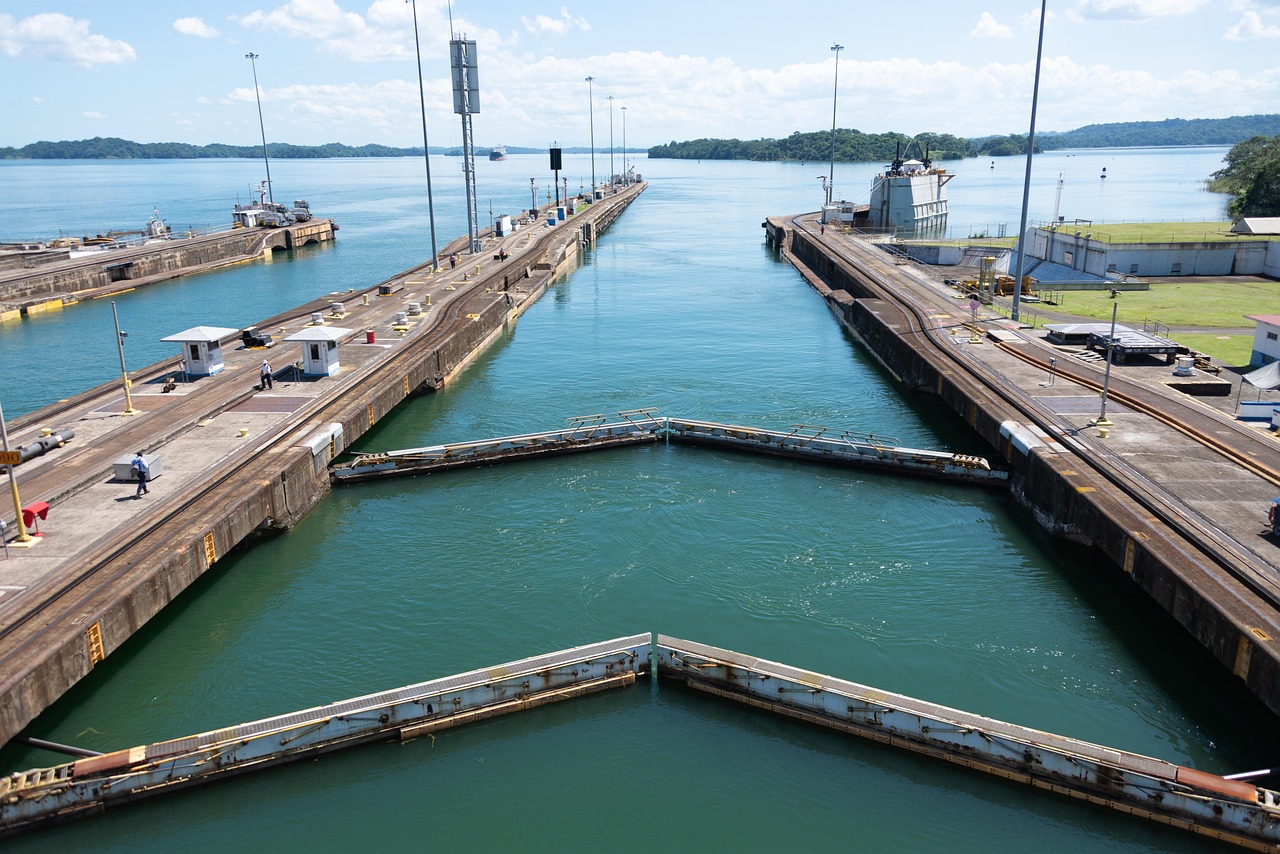
    The Panama Canal remains a priority in US discussions. The canal handles a large share of global shipping and is used by US naval vessels. While the canal itself is controlled by Panama, Chinese-linked companies operate ports at both entrances. US officials say they are focused on access rights and operational practices at those facilities. Panamanian officials say port operations comply with national law and that the canal authority remains independent. US officials say they continue to discuss security co-operation with Panama.

    In Colombia, US officials have urged closer review of bids for telecommunications and transport projects. Colombia is a key US security partner and hosts regular joint military exercises. A Colombian government official said project decisions would follow domestic regulations and procurement rules.

    Brazil presents a different case. China is Brazil’s largest trading partner and a major investor in energy and mining, with Chinese companies also playing a role in power transmission. Brazilian officials say economic ties with China do not affect defence policy. US officials say they are monitoring infrastructure investments with regional implications.

    Argentina has accepted Chinese financing for rail, energy and technology projects. US officials have raised questions about facilities with possible dual-use functions. Argentine officials say the projects are civilian and subject to national oversight.

    The military dimension has drawn particular scrutiny. The People’s Liberation Army has expanded defence contacts in the region, including training programmes, equipment sales and naval port calls. US officials say such activity is not unusual but draw a line at permanent access or basing rights. A senior Pentagon official said last week that the United States would oppose any move that altered existing security arrangements in the hemisphere and reaffirmed Washington’s commitment to long-standing defence partnerships.

    Washington has taken a firmer stance with governments under US sanctions. In Venezuela, Chinese financial and technical support has helped sustain the government amid restrictions on oil exports and access to capital. US officials say China’s involvement limits the impact of sanctions. In Nicaragua, Chinese investment and diplomatic backing have increased since Managua cut ties with Taiwan. US officials say they have raised concerns about infrastructure and security co-operation with the Nicaraguan government.

    Latin American governments have pushed back against suggestions that they face alignment choices. Officials in several countries say they seek diversified economic relationships and point to Chinese demand for commodities and access to finance. They also note that US investment has not matched Chinese levels in recent years.

    Some officials say US engagement has become more specific. A Central American foreign minister said US officials now focus on project standards and risk assessments, without demanding that Chinese companies be blocked. US officials say the approach reflects lessons from earlier efforts, when public pressure often produced resistance, and that quiet diplomacy and technical engagement yield better results.

    The strategy also depends on alternatives. US officials say they are working with development banks and private investors to offer financing options and give governments more choice when bidding large projects. No formal policy changes have been announced. Officials say the effort will continue through bilateral talks and regional forums, with a focus on infrastructure with security implications and on preventing permanent military access for external powers.

    Keep Reading

    Thailand Advances Land Bridge Plan as Alternative to Malacca Strait

    The Archipelagic Pivot and the Quiet Realignment of the Indo-Pacific

    Africa’s Silicon Savannah and the shift beyond traditional banking

    Asia for Asia and the reshaping of the global economic centre

    Constraint, not innovation, will decide which industries dominate the next decade

    Postwar globalisation gives way to a narrower and more political system

    Leave A Reply Cancel Reply

    Latest Posts
    Advertisement
    Demo

    Recent Posts

    • The Sovereignty of the Self in an Age of Algorithmic Governance
    • The Chronos Strategy and the Death of the Always-On Executive Culture
    • Direct Indexing and the Democratization of Tax-Loss Harvesting for High-Net-Worth Portfolios
    • The Fragmentation Gamble and the Rise of Issue-Based Partnerships in the Global South
    • The Polycentric Shift and Why American Transactionalism is Redefining Global Power Dynamics in 2026
    Facebook X (Twitter) WhatsApp TikTok Instagram

    News

    • World News
    • Politics
    • Business
    • Technology

    Company

    • Privacy & Policy
    • Editorial Policy
    • Copyright & DMCA Policy
    • Terms of Use

    Contact

    • Contact
    • About Briefory

    Stay Informed. Stay Briefed.

    Essential global news, carefully selected and delivered by Briefory

    © 2026 Briefory.com Designed & Developed by lv8 – Consulting.
    • Privacy Policy
    • Terms
    • Copyright & DMCA Policy

    Type above and press Enter to search. Press Esc to cancel.

    Your privacy settings

    We and our partners use information collected through cookies and similar technologies to improve your experience on our site, analyse how you use it and for marketing purposes. Because we respect your right to privacy, you can choose not to allow some types of cookies. However, blocking some types of cookies may impact your experience of the site and the services we are able to offer. In some cases, data obtained from cookies is shared with third parties for analytics or marketing reasons. You can exercise your right to opt-out of that sharing at any time by disabling cookies.
    Privacy Policy

    Manage Consent Preferences

    Necessary

    Always ON
    These cookies and scripts are necessary for the website to function and cannot be switched off. They are usually only set in response to actions made by you which amount to a request for services, suchas setting your privacy preferences, logging in or filling in forms. You can set your browser to block oralert you about these cookies, but some parts of the site will not then work. These cookies do not store any personally identifiable information.

    Analytics

    These cookies and scripts allow us to count visits and traffic sources, so we can measure and improve the performance of our site. They help us know which pages are the most and least popular and see how visitors move around the site. All information these cookies collect is aggregated and therefore anonymous. If you do not allow these cookies and scripts, we will not know when you have visited our site.

    Embedded Videos

    These cookies and scripts may be set through our site by external video hosting services likeYouTube or Vimeo. They may be used to deliver video content on our website. It’s possible for the video provider to build a profile of your interests and show you relevant adverts on this or other websites. They do not store directly personal information, but are based on uniquely identifying your browser and internet device. If you do not allow these cookies or scripts it is possible that embedded video will not function as expected.

    Google Fonts

    Google Fonts is a font embedding service library. Google Fonts are stored on Google's CDN. The Google Fonts API is designed to limit the collection, storage, and use of end-user data to only what is needed to serve fonts efficiently. Use of Google Fonts API is unauthenticated. No cookies are sent by website visitors to the Google Fonts API. Requests to the Google Fonts API are made to resource-specific domains, such as fonts.googleapis.com or fonts.gstatic.com. This means your font requests are separate from and don't contain any credentials you send to google.com while using other Google services that are authenticated, such as Gmail.

    Marketing

    These cookies and scripts may be set through our site by our advertising partners. They may be used by those companies to build a profile of your interests and show you relevant adverts on other sites. They do not store directly personal information, but are based on uniquely identifying your browser and internet device. If you do not allow these cookies and scripts, you will experience less targeted advertising.
    Disable all Confirm my choices Allow all
    Verified by ConsentMagic
    My Consent Preferences